Choosing the right fishing lure can feel overwhelming when you’re starting out. Walk into any tackle store and you’ll see shelves full of different shapes, colours, and sizes. The good news is that once you understand the basics, selecting the right lure becomes much easier.
Fishing lures are designed to imitate the small fish, crustaceans, or insects that larger fish naturally feed on. When used correctly, they trigger a strike by mimicking movement, vibration, and flash in the water.
Understanding the Main Types of Fishing Lures
Different lure styles are designed for different fishing situations. A few versatile options can cover most fishing conditions.
Soft plastics are one of the most popular lure types because they closely imitate baitfish or small sea creatures. They work well for species such as snapper, kahawai, and trout, especially when fished slowly along the bottom or through mid-water.
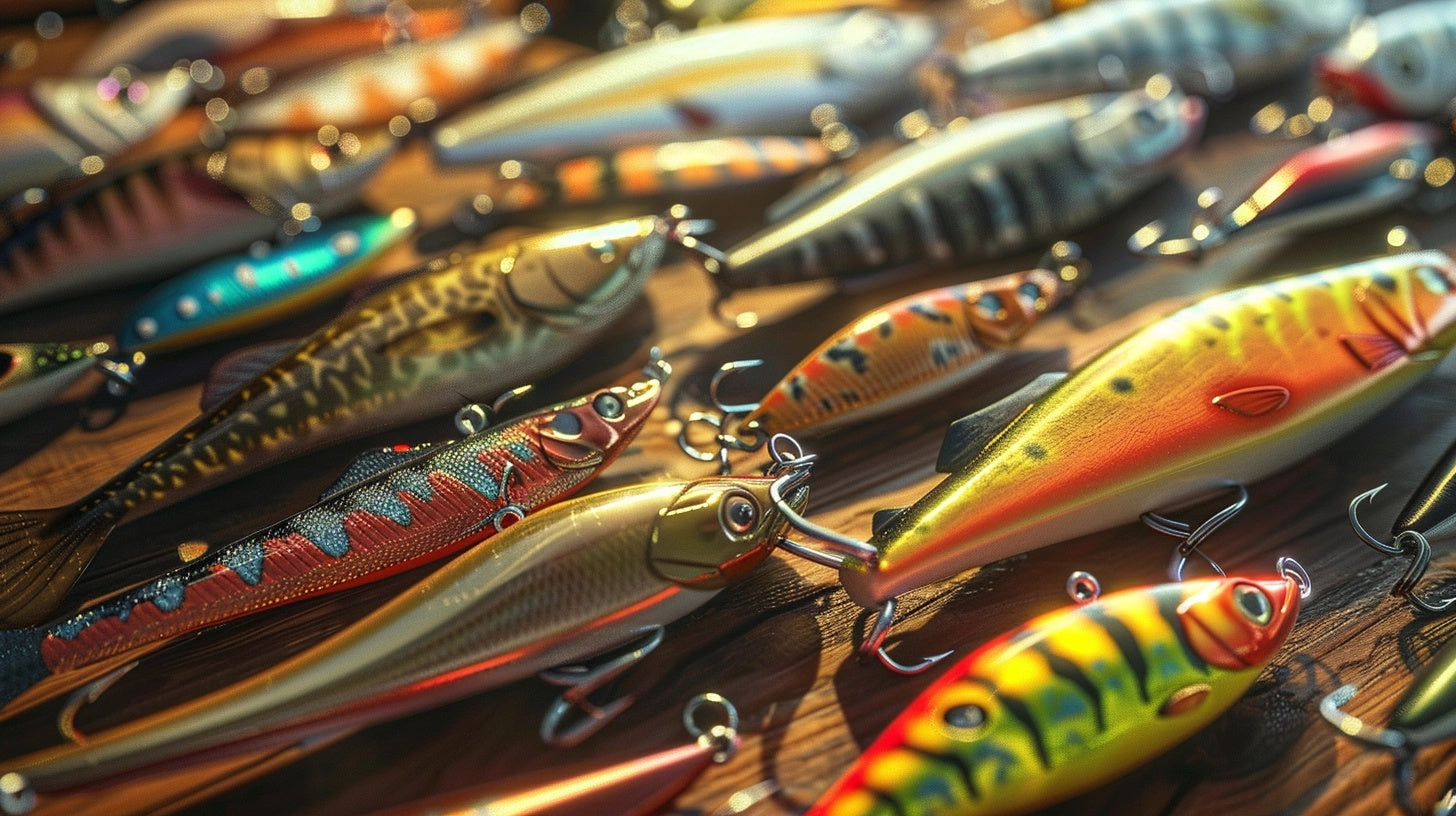
Hard-bodied lures such as minnows and crank-style lures imitate small baitfish. These are commonly used when casting in rivers, lakes, or coastal waters where predatory fish chase moving prey.
Spinner lures use a rotating metal blade that creates flash and vibration in the water. This movement attracts attention from fish like trout and kahawai, particularly in flowing water.
Topwater lures are designed to move across the surface of the water, creating splashes or popping sounds. These can be exciting to fish with because you often see the strike happen right on the surface.
Jigs are weighted lures that are worked up and down through the water. They are effective when targeting fish holding deeper, especially around reefs, rocks, or structure.
Having a small selection of different lure types in your tackle box gives you options when conditions change.
Choosing Lures for Different Fish Species
Fish tend to respond to lure sizes and actions that resemble their natural food.
Trout often respond well to small spinners, minnows, or soft plastics that imitate small baitfish or insects.
Snapper commonly strike soft plastics and jigs worked slowly near the bottom.
Kahawai are aggressive hunters and will often chase fast-moving lures such as metal spinners or small baitfish-style lures.
Kingfish are powerful predators that respond well to larger lures such as stickbaits, poppers, or heavy jigs.
Understanding what the fish are feeding on in your area will help you choose a lure that looks like a natural meal.
Matching Your Lure to the Water Conditions
Water clarity and weather conditions can affect which lure colours work best.
In clear water, natural colours such as silver, olive, and brown tend to work well because they closely resemble real baitfish.
In murky or rough water, brighter colours like chartreuse or orange can help fish locate the lure more easily.
On sunny days, metallic finishes can reflect light and attract attention from further away.
When the sky is overcast or the water is darker, stronger colours often provide better contrast.
Adjusting lure colour and style to suit the conditions can improve your chances of getting a strike.
How to Fish a Lure Effectively
Using the right lure is important, but how you retrieve it can make an even bigger difference.
Changing your retrieval speed can trigger different reactions from fish. A faster retrieve can excite aggressive fish, while a slower retrieve can imitate injured prey.
Adding small pauses or twitches during the retrieve often makes a lure look more natural.
It’s also helpful to watch what baitfish are present in the water and choose a lure that roughly matches their size and shape.
Experimenting with different techniques is part of the learning process and often leads to the best results.
Choosing the Right Lures for Your Tackle Box
Building a small but versatile lure selection is often better than carrying dozens of options. A few reliable soft plastics, a couple of spinners, and a handful of hard lures will cover most fishing situations.
At HOOK LINE SINKER we stock a range of quality fishing lures designed for both beginners and experienced anglers. Whether you’re targeting snapper from the rocks or trout in a quiet river, having the right lure in your tackle box can make all the difference.